Next-Gen Web Development Trends for 2026
Introduction
Web development is undergoing a major transformation as technology, user expectations, and digital ecosystems continue to evolve. By 2026, the web will no longer be limited to static pages or simple interactive experiences. Modern web applications are becoming intelligent, adaptive, and deeply integrated with cloud services, artificial intelligence, and real-time data systems. Users now expect faster loading times, personalized content, strong security, and seamless experiences across all devices. These expectations are driving the adoption of next-generation web technologies.
For developers and businesses, staying updated with emerging web development trends is no longer optional it is essential. New frameworks, architectures, and automation tools are reshaping how applications are built, deployed, and maintained. This article explains the most important next-gen web development trends for 2026, clearly defining each concept and explaining its impact on developers, users, and digital businesses.

Artificial Intelligence in Web Development
Artificial Intelligence in web development refers to the use of machine learning models and intelligent systems to automate, optimize, and personalize web applications. By 2026, AI will be deeply embedded into development workflows, enabling automatic code generation, UI optimization, testing, and performance monitoring. AI systems can analyze user behavior patterns and adjust content or layout dynamically to improve engagement and conversion rates.
For developers, AI reduces repetitive tasks and accelerates development cycles. Instead of manually writing boilerplate code or debugging common issues, developers can rely on AI-powered tools that suggest improvements and detect errors early. This shift allows teams to focus on problem-solving, architecture, and innovation while AI handles execution and optimization.
Key Points:
- AI-driven code generation and debugging
- Personalized user experiences
- Automated testing and performance optimization
- Faster development and reduced human error

WebAssembly (Wasm) for High-Performance Web Applications
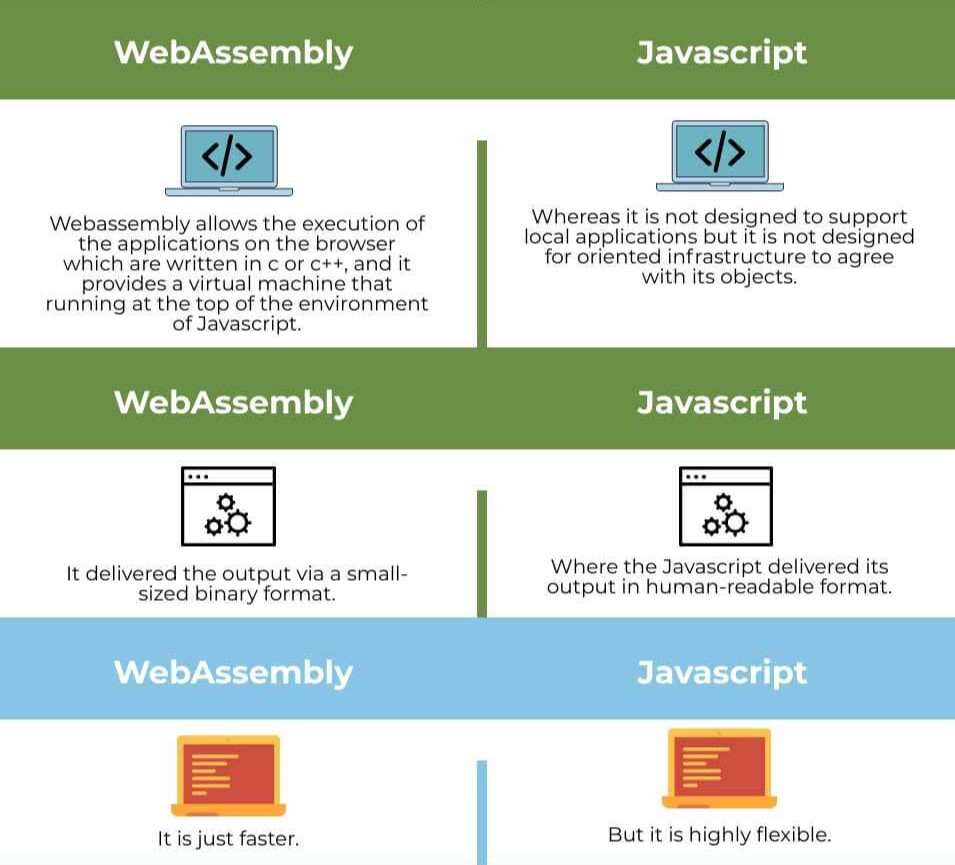
WebAssembly is a low-level binary instruction format that enables high-performance code execution inside web browsers. By 2026, WebAssembly will play a crucial role in bringing near-native performance to web applications. Developers can write applications in languages such as Rust, C++, or Go and run them securely in browsers without performance limitations.
This technology allows the web to support advanced use cases like real-time data processing, video editing, 3D modeling, and gaming. WebAssembly improves speed, security, and efficiency while maintaining cross-platform compatibility. As browser support matures, Wasm will blur the line between web and desktop applications.
Key Points:
- Near-native execution speed
- Multi-language support
- Secure sandboxed environment
- Ideal for complex and heavy applications
Progressive Web Apps (PWAs) as the Future of Web Apps
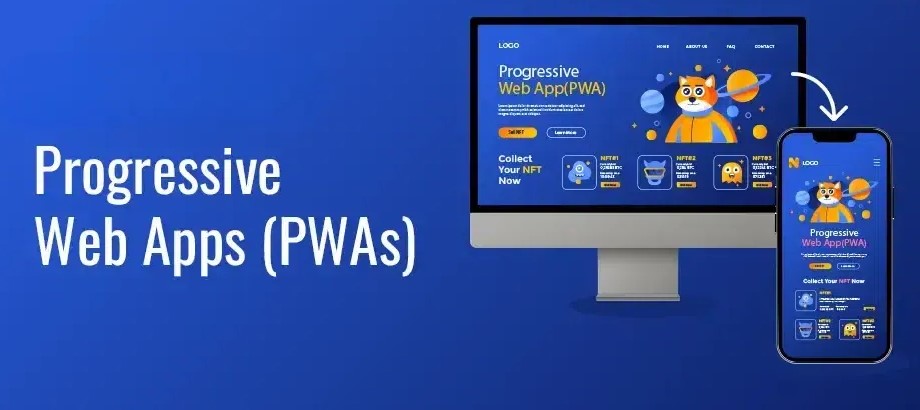
Progressive Web Apps are web applications that behave like native mobile apps while running in browsers. By 2026, PWAs will become a standard approach for delivering fast, reliable, and engaging digital experiences. They support offline access, push notifications, background updates, and home-screen installation.
PWAs eliminate the need for app store distribution, reducing development and maintenance costs. Users benefit from fast load times, minimal data usage, and seamless updates. As mobile usage continues to dominate, PWAs will replace many traditional native applications across industries.
Key Points:
- Offline-first functionality
- Cross-platform compatibility
- App-like experience without downloads
- Lower development and maintenance cost
Serverless Architecture and Edge Computing
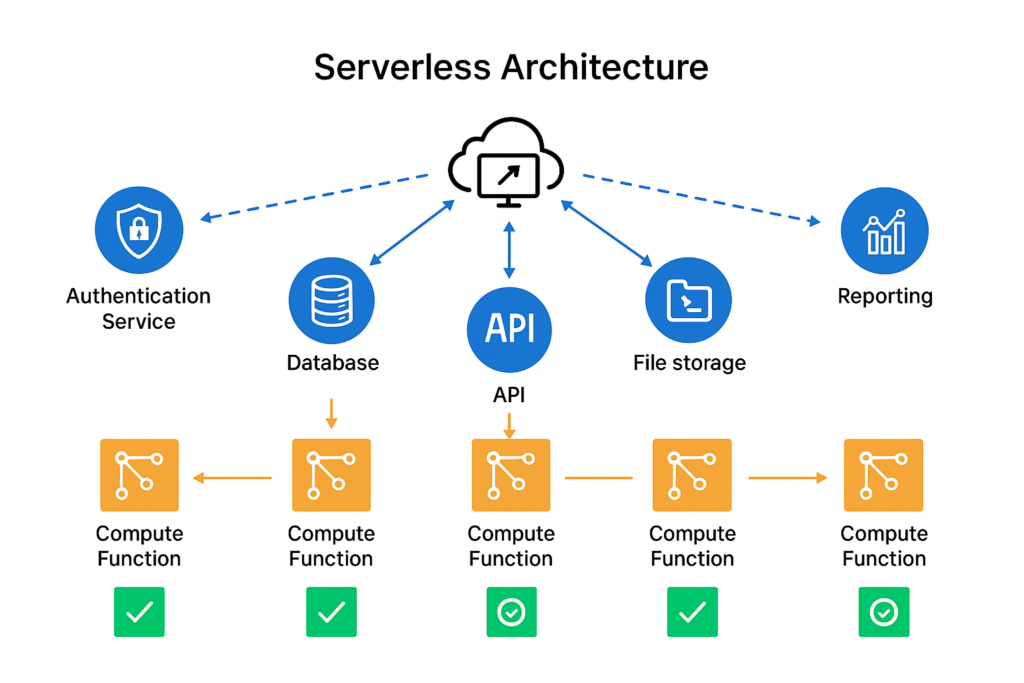
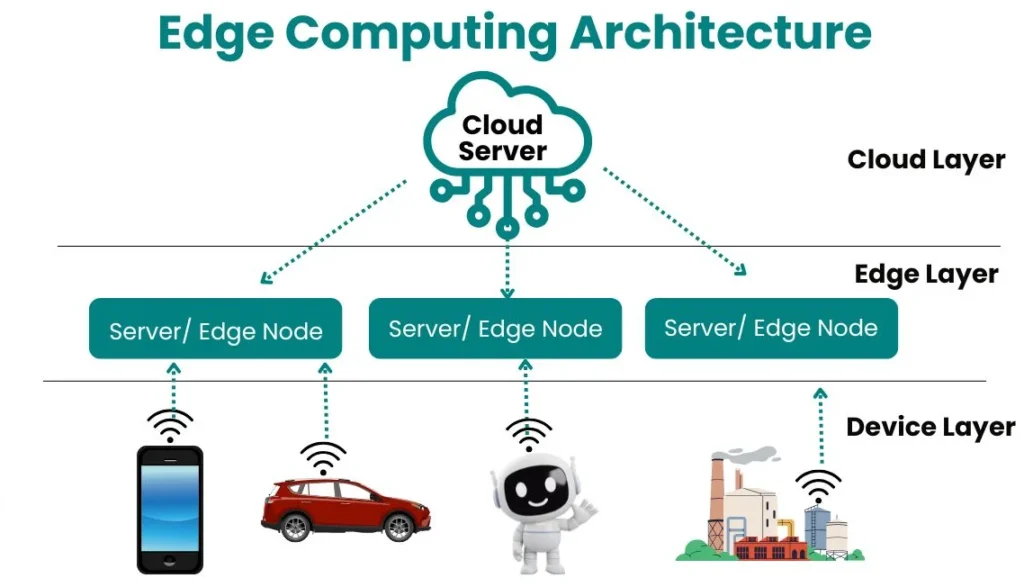
Serverless architecture allows developers to run applications without managing servers. Instead, cloud providers handle infrastructure, scaling, and availability. By 2026, serverless combined with edge computing will dominate modern web development. Edge computing processes data closer to users, reducing latency and improving performance.
This approach is ideal for real-time applications, global platforms, and high-traffic websites. Serverless systems automatically scale based on demand, improving reliability and cost efficiency. Developers can focus on writing business logic rather than infrastructure management.
Key Points:
- No server management required
- Faster response times through edge nodes
- Automatic scaling and cost efficiency
- Ideal for real-time web applications
Serverless Architecture
Edge Computing
API-First and Headless Web Architecture
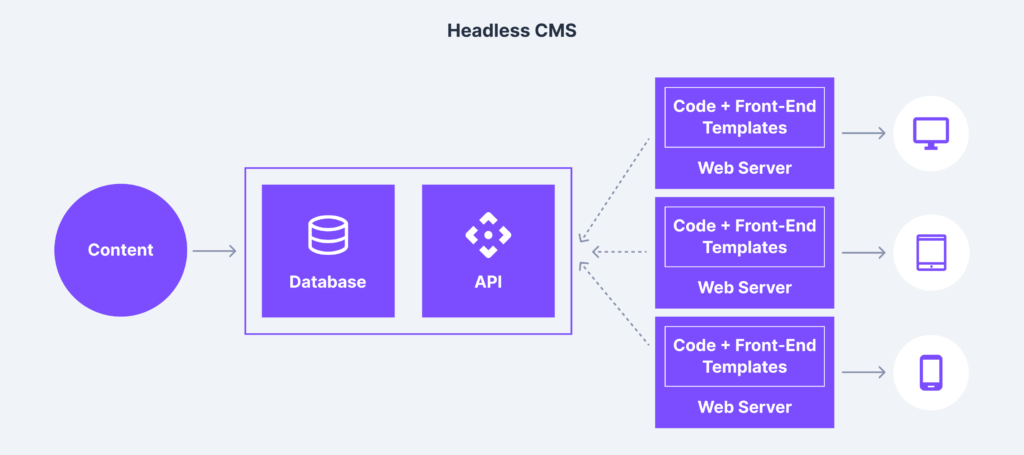
API-first development is an approach where applications are designed around APIs before building the frontend. Headless architecture separates the frontend from the backend, allowing content and functionality to be delivered across multiple platforms. By 2026, this approach will become standard for scalable and flexible web applications.
Headless CMS platforms enable centralized content management while delivering content to websites, mobile apps, and other devices. This architecture improves performance, scalability, and future compatibility. Developers can update frontend technologies without affecting backend systems.
Key Points:
- Decoupled frontend and backend
- Multi-channel content delivery
- Faster development and updates
- Future-proof web architecture
Modern Frontend Frameworks and Performance-First Design
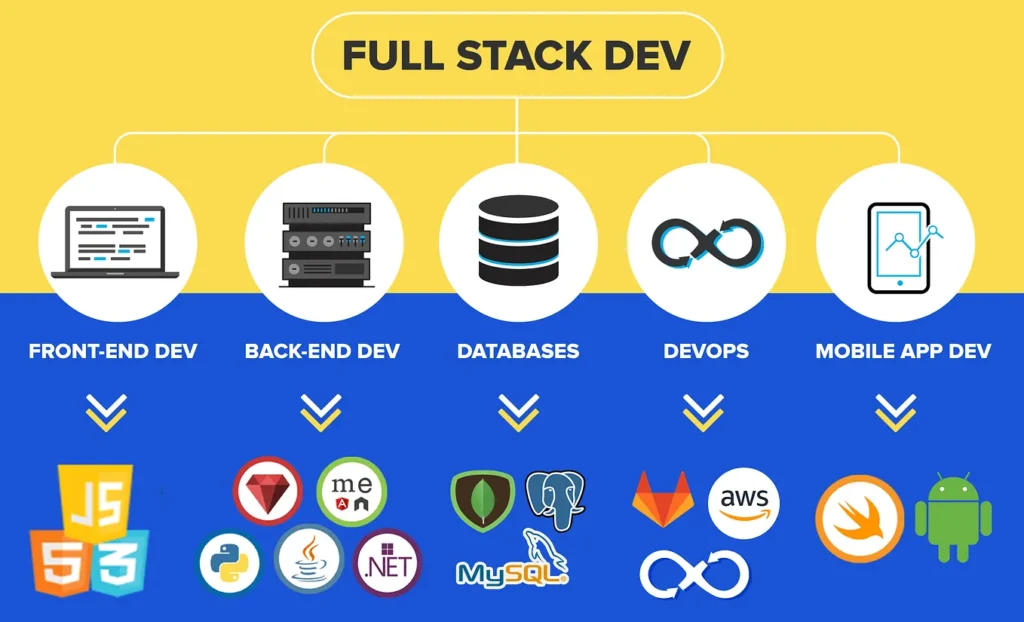
Frontend frameworks are evolving to prioritize performance, accessibility, and scalability. By 2026, frameworks like React, Vue, Svelte, and SolidJS will emphasize minimal JavaScript, faster rendering, and improved user experience. Developers will adopt component-based architectures and performance optimization techniques.
Modern build tools enable faster development cycles and efficient deployment. Accessibility and responsiveness are becoming standard requirements. The focus is shifting from visual design alone to delivering fast, inclusive, and responsive web experiences.
Key Points:
- Faster rendering and optimized performance
- Component-based development
- Improved accessibility standards
- Better developer experience
Security-First and Privacy-Focused Web Development
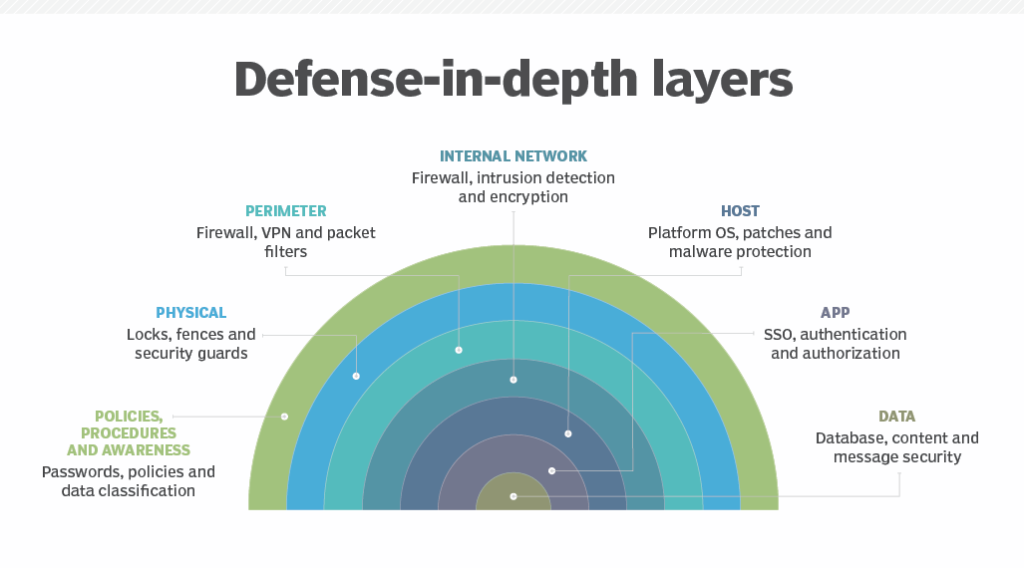
Security and privacy are critical aspects of next-generation web development. By 2026, developers will adopt zero-trust security models, passwordless authentication, and advanced encryption methods. User data protection and privacy compliance are no longer optional.
Privacy-first analytics and secure APIs will replace invasive tracking technologies. Secure development builds trust and ensures long-term user engagement. Businesses that prioritize security will gain a competitive advantage in the digital landscape.
Key Points:
- Zero-trust security architecture
- Passwordless and biometric authentication
- Encrypted data transmission
- Privacy-focused analytics
Conclusion
Next-gen web development trends for 2026 focus on intelligence, performance, security, and scalability. Technologies such as AI, WebAssembly, PWAs, serverless computing, and headless architecture are redefining how web applications are built and experienced. Developers who adopt these trends will deliver faster, smarter, and more reliable digital products. As the web continues to evolve, embracing next-generation development practices will be essential for long-term success.