AI Skills Everyone Must Learn Before 2030
Introduction
Artificial Intelligence is no longer a futuristic concept limited to research labs or large tech companies. It is rapidly becoming a core part of everyday life, influencing how we work, communicate, learn, and make decisions. From recommendation systems and virtual assistants to automated workflows and intelligent analytics, AI is reshaping nearly every industry. As AI adoption accelerates, the skills required to work effectively with intelligent systems are also evolving. By 2030, AI literacy will be as essential as basic computer skills are today.
The future workforce will not be divided simply into “technical” and “non-technical” roles. Instead, individuals across all professions will need a foundational understanding of AI concepts, tools, and ethical considerations. Learning AI skills does not mean everyone must become a data scientist or machine learning engineer. Rather, it means developing the ability to understand, collaborate with, and responsibly use AI systems. This article explains the most important AI skills everyone must learn before 2030, with clear examples, differences, and practical relevance.
AI Literacy and Conceptual Understanding
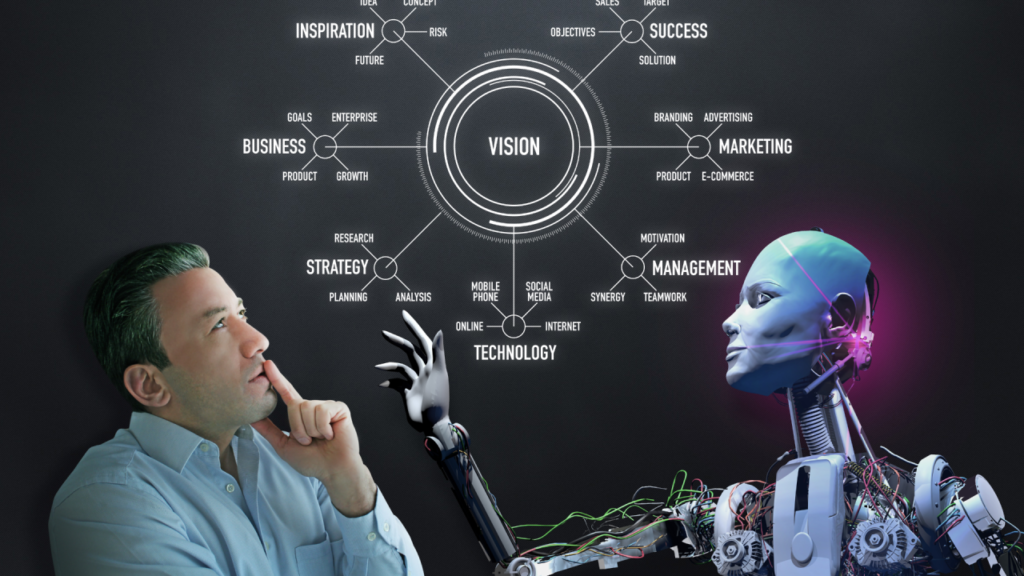
AI literacy is the most fundamental skill required in the coming decade. It refers to understanding what artificial intelligence is, how it works at a high level, and what it can and cannot do. By 2030, individuals who lack basic AI knowledge may struggle to adapt to AI-driven workplaces. AI literacy includes familiarity with terms such as machine learning, neural networks, large language models, and automation.
This skill helps people make informed decisions rather than blindly trusting AI outputs. Understanding limitations such as bias, hallucinations, and data dependency is essential. AI-literate individuals can communicate effectively with technical teams, evaluate AI tools, and use them responsibly in daily tasks. This skill forms the foundation for all other AI-related competencies.
Key Points:
- Understanding AI vs traditional software
- Knowing AI strengths and limitations
- Awareness of real-world AI applications
- Ability to evaluate AI-generated outputs
Data Literacy and Data Thinking
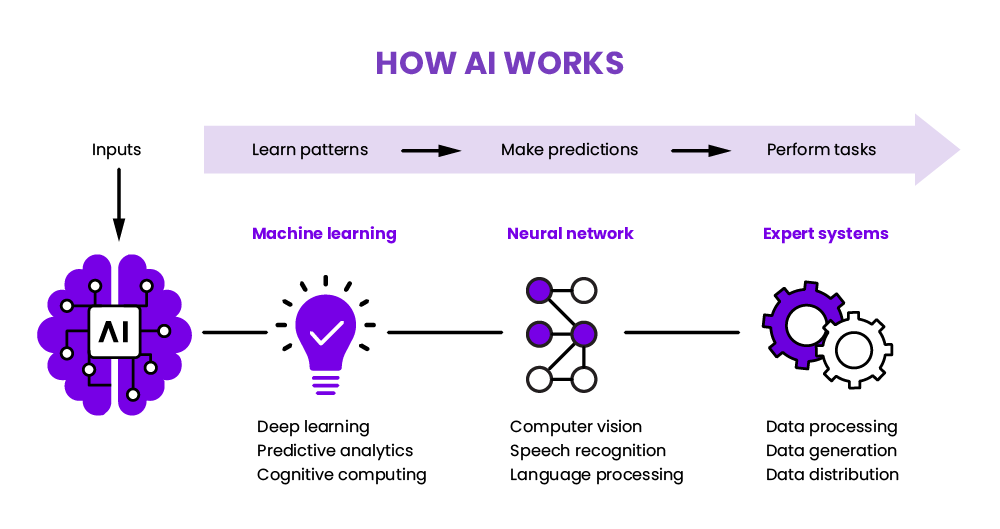
Data is the fuel that powers artificial intelligence. Before 2030, data literacy will become a critical skill for everyone, not just analysts or engineers. Data literacy means understanding how data is collected, cleaned, analyzed, and interpreted. AI systems learn patterns from data, and poor-quality data leads to unreliable results.
People with strong data literacy can ask the right questions, identify misleading insights, and understand the impact of biased or incomplete data. This skill also helps individuals collaborate effectively with AI systems that analyze large datasets. Whether in marketing, healthcare, education, or finance, data-driven decision-making will dominate professional environments.
Key Points:
- Understanding structured vs unstructured data
- Recognizing data bias and quality issues
- Interpreting AI-driven insights
- Making informed, data-based decisions
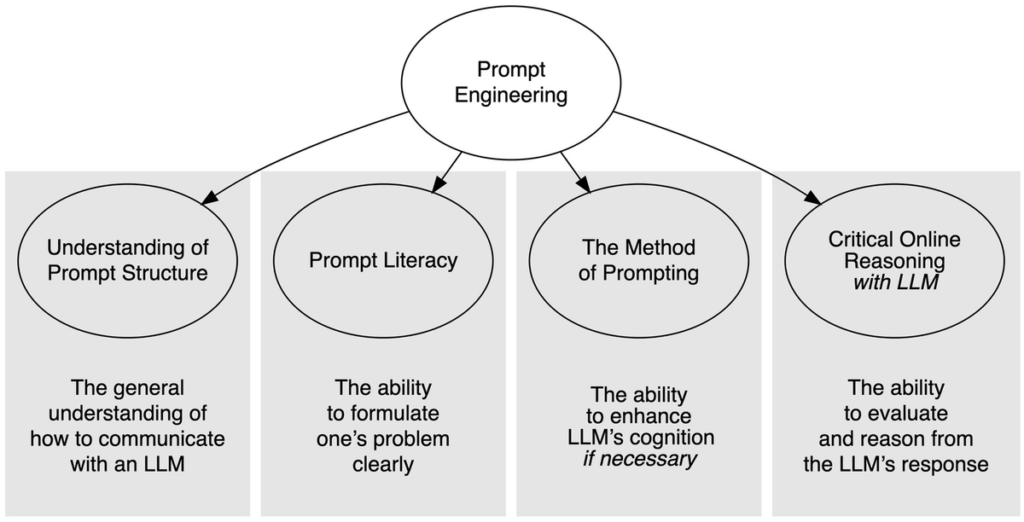
Prompt Engineering and AI Interaction Skills
As AI tools become more conversational, the ability to interact effectively with AI systems becomes a valuable skill. Prompt engineering refers to crafting clear, precise, and structured inputs that guide AI models toward better outputs. By 2030, knowing how to communicate with AI will be as important as knowing how to search the internet today.
Effective prompting improves accuracy, relevance, and efficiency. It allows users to break complex tasks into smaller steps, request explanations, and refine results. This skill applies across writing, coding, design, research, and analysis. Good AI interaction skills significantly enhance productivity and reduce frustration.
Key Points:
- Writing clear and structured prompts
- Iterative refinement of AI outputs
- Asking AI for reasoning and explanations
- Using AI as a collaborative assistant
Understanding Automation and AI Agents
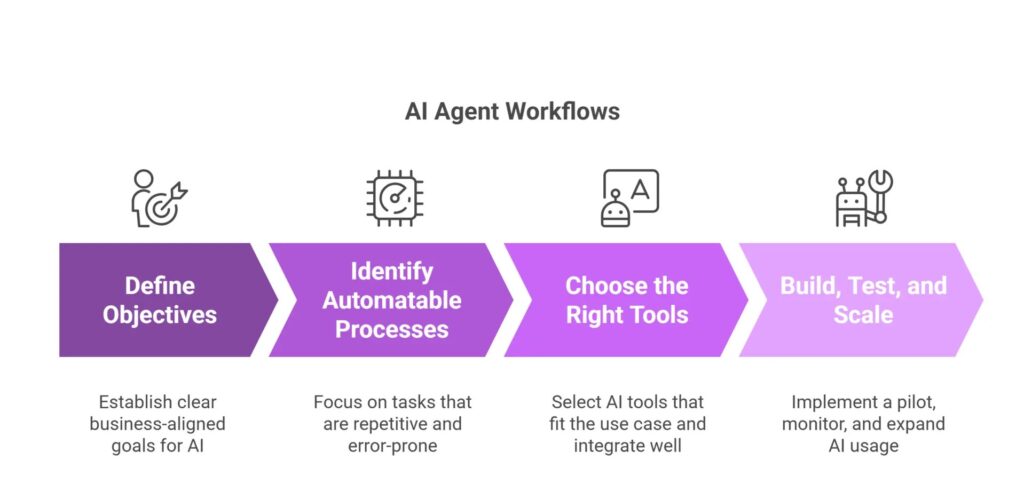
Automation is evolving from simple rule-based scripts to intelligent AI agents capable of executing complex tasks. By 2030, understanding how AI-driven automation works will be essential across industries. AI agents can plan tasks, use tools, monitor outcomes, and improve workflows without constant supervision.
Learning this skill helps individuals identify opportunities where automation can save time and reduce errors. It also enables people to supervise AI agents responsibly, ensuring correct execution. This knowledge is particularly valuable in operations, software development, marketing, customer support, and data analysis.
Key Points:
- Difference between automation and AI agents
- Workflow design and task delegation
- Monitoring automated systems
- Balancing autonomy and human oversight
AI Ethics, Bias, and Responsible Use
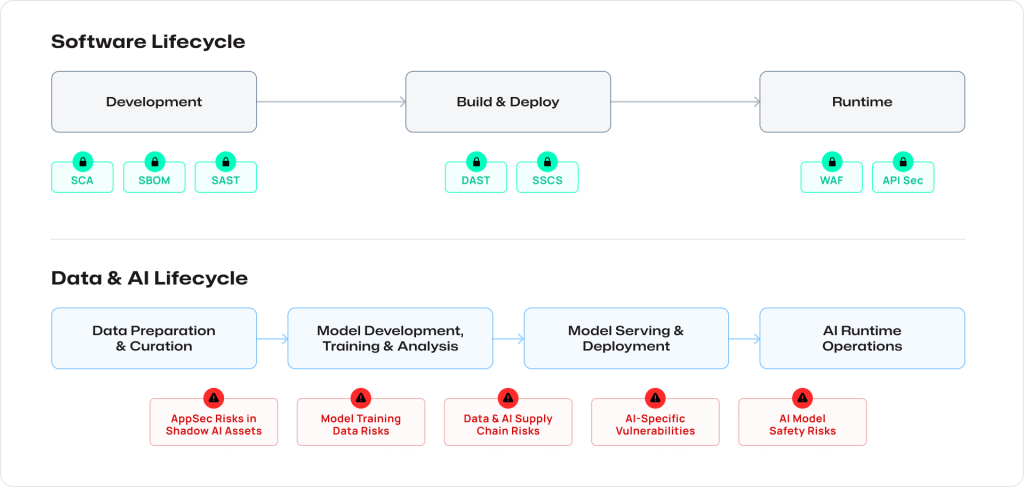
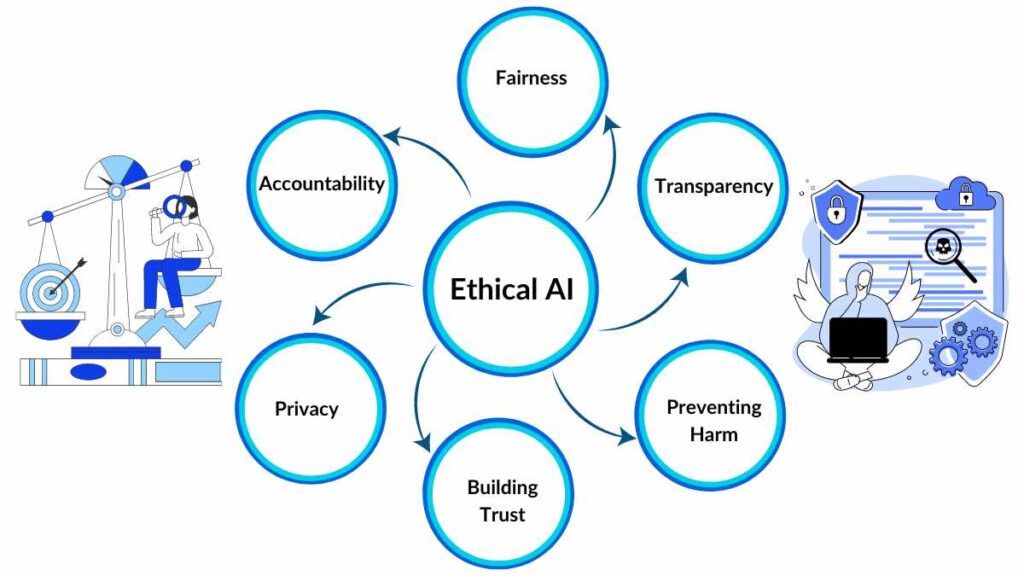
As artificial intelligence systems increasingly influence decisions that affect human lives, understanding AI ethics and responsible use becomes one of the most critical skills to master before 2030. AI models are trained on historical and real-world data, which often contains hidden biases related to race, gender, culture, or socioeconomic status. Without careful oversight, these biases can be amplified by AI systems at scale, leading to unfair or harmful outcomes.
Ethical AI usage requires individuals to question results rather than blindly accepting AI-generated outputs. It also involves protecting user privacy, ensuring data security, and complying with legal and regulatory standards. As AI becomes embedded in hiring systems, healthcare diagnostics, financial approvals, and law enforcement tools, ethical awareness becomes a professional responsibility rather than a technical concern. People who understand AI ethics can help design, select, and supervise AI systems that align with human values. This skill builds trust, reduces risk, and ensures AI technologies contribute positively to society.
Key Points:
- Understanding AI bias and fairness
- Data privacy and security awareness
- Ethical decision-making with AI
- Human oversight and accountability
Basic AI and Machine Learning Foundations
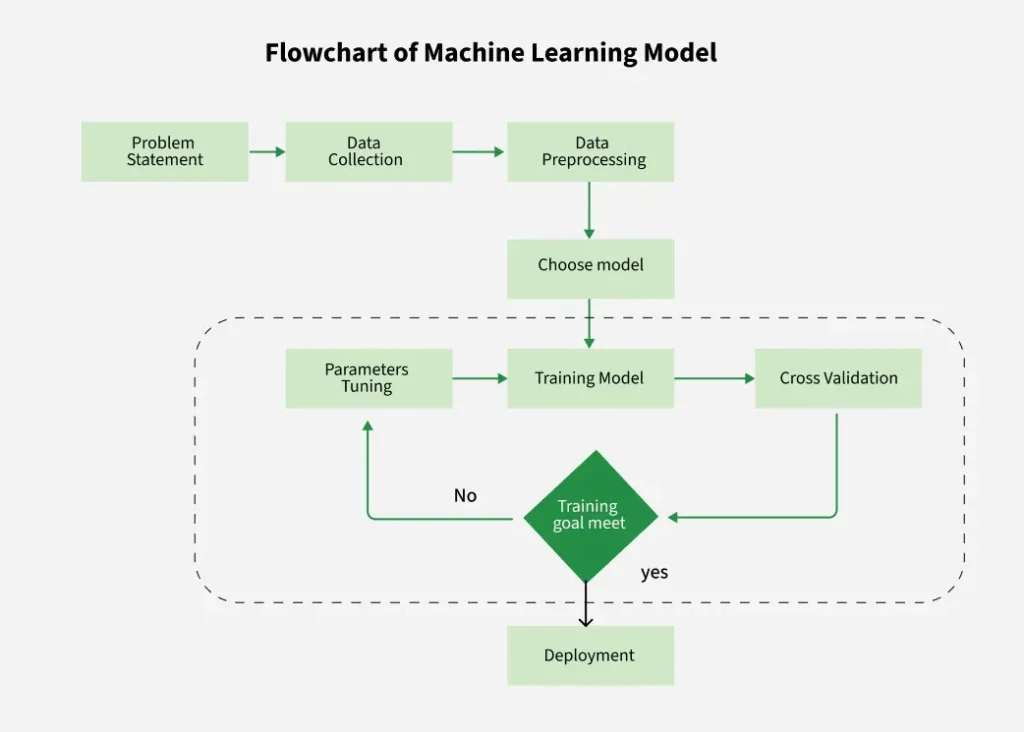
While not everyone needs deep technical expertise, basic understanding of how machine learning works will be important. This includes concepts such as training data, models, algorithms, and evaluation metrics. By 2030, professionals who understand these basics will be better equipped to collaborate with AI systems and technical teams.
This skill enables people to assess AI solutions realistically rather than treating them as magic. It also helps in selecting appropriate tools and understanding trade-offs between accuracy, cost, and complexity.
Key Points:
- How machine learning models learn
- Difference between supervised and unsupervised learning
- Model accuracy and limitations
- Real-world ML applications
Creativity and Human-AI Collaboration
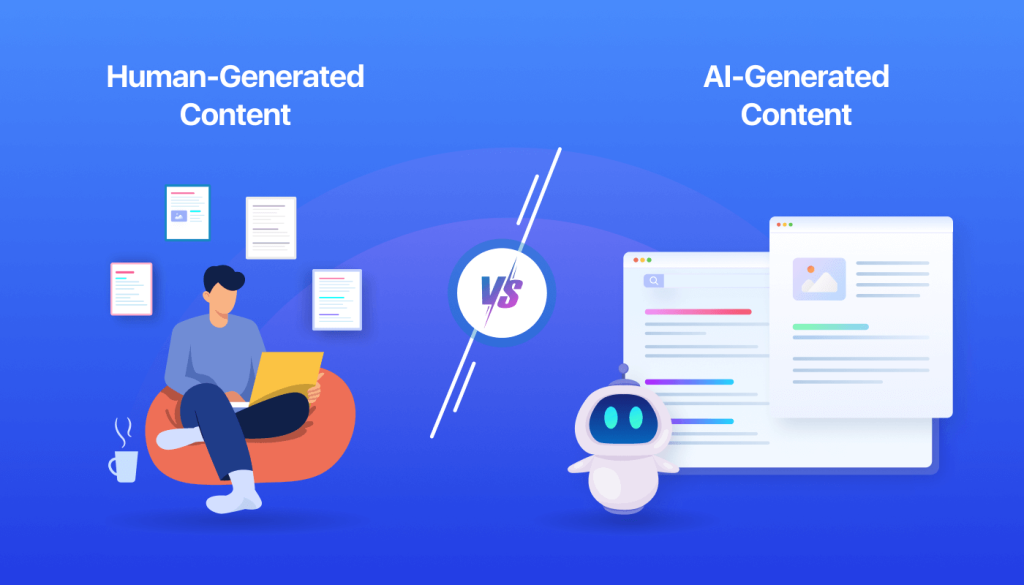
As AI systems take over repetitive, analytical, and data-heavy tasks, human creativity and collaboration skills will become increasingly valuable before 2030. Human–AI collaboration involves understanding how to work alongside AI systems as partners rather than competitors. AI can rapidly generate ideas, content, designs, and solutions, but humans provide direction, context, emotional intelligence, and ethical judgment. This skill requires learning how to guide AI effectively through prompts, feedback, and refinement.
Creative professionals who collaborate with AI can explore more possibilities, iterate faster, and produce higher-quality outcomes. In fields such as design, marketing, research, and problem-solving, the combination of human creativity and AI efficiency creates a powerful advantage. Mastering this collaboration allows individuals to amplify their capabilities while maintaining originality and purpose.
Key Points:
- Using AI for idea generation
- Combining human creativity with AI speed
- Evaluating and refining AI output
- Maintaining originality and intent
Adaptability and Continuous Learning Mindset
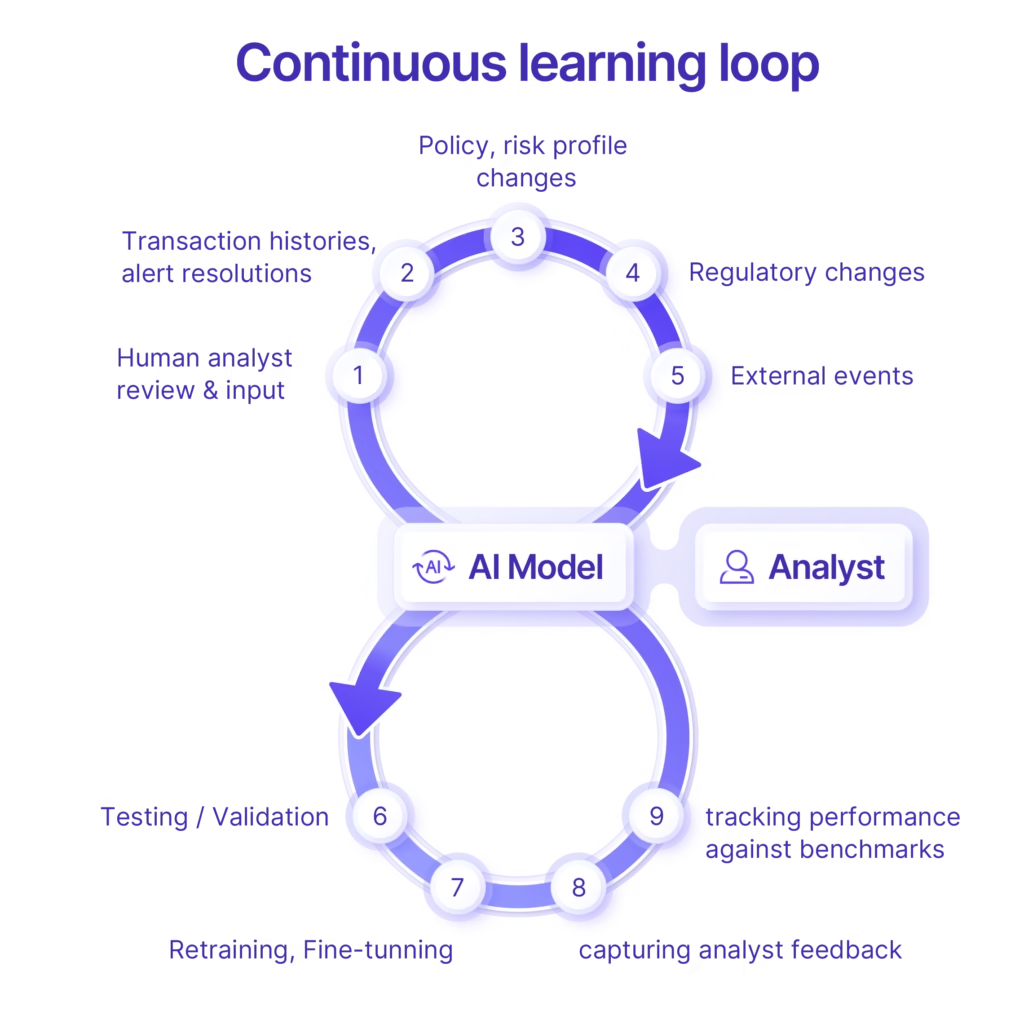
One of the most important AI-related skills before 2030 is adaptability and a commitment to continuous learning. AI technology evolves rapidly, with new tools, models, and workflows emerging constantly. Individuals who resist change risk becoming outdated, while those who embrace learning remain relevant. A continuous learning mindset involves staying curious, experimenting with new AI tools, and updating skills regularly.
It also means being flexible as job roles evolve and new responsibilities emerge. Adaptable individuals view AI as an opportunity for growth rather than a threat. This mindset ensures long-term career resilience and empowers people to grow alongside intelligent systems in an ever-changing digital landscape.
Key Points:
- Willingness to learn new AI tools
- Adapting to changing job roles
- Lifelong learning culture
Embracing innovation
Conclusion
AI skills are becoming essential life skills rather than optional technical expertise. By 2030, everyone will need a combination of AI literacy, data understanding, ethical awareness, automation knowledge, and creative collaboration abilities. These skills empower individuals to work effectively with AI systems rather than compete against them.
The future belongs to those who understand AI, use it responsibly, and adapt continuously. Learning these AI skills today ensures relevance, resilience, and success in an increasingly intelligent world.