Best Programming Languages to Learn in 2026
Programming in 2026 will be shaped by artificial intelligence, automation engineering, cybersecurity defense architecture, large-scale cloud ecosystems, immersive digital platforms, and data-driven innovation across every major industry. As organizations move toward hyper-connected environments, intelligent software solutions, autonomous systems, and real-time analytics, the demand for programmers who understand future-ready languages will continue to rise. The technology landscape is shifting from standalone applications to distributed, scalable, and interoperable digital ecosystems, which means developers must choose languages that remain relevant across multiple domains rather than focusing only on short-term trends. Learning future-centric programming languages in 2026 not only strengthens career growth but also prepares professionals to design secure, efficient, and sustainable software solutions for AI platforms, financial technology, health informatics, space technology, industrial automation, and emerging green computing environments.
Python - Foundation of AI, Automation, Data Science & Research Computing
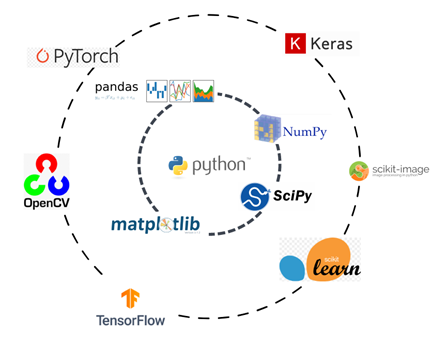
Python will continue to remain a primary programming language in 2026 because of its unmatched dominance in artificial intelligence, machine learning, automation engineering, academic research, and big-data analytics. Its simple syntax allows beginners to learn programming concepts easily, while its extensive ecosystem of scientific and AI libraries makes it powerful enough for advanced computing applications. Python is widely used in deep-learning model development, computer vision projects, natural language processing, recommendation systems, robotics programming, financial analytics, predictive modeling, and automation pipelines for businesses. Organizations prefer Python because it accelerates experimentation, supports rapid prototyping, and allows researchers and engineers to convert theoretical models into practical, real-world solutions. In 2026, Python will continue to be the universal choice for AI engineers, data scientists, automation specialists, educators, and research-based developers working across multiple innovation-driven domains.
Key Points - Why Python Will Continue to Dominate
- Backbone of AI, ML, computer vision & deep learning ecosystems
- Highly flexible language for automation, analytics & research
- Supports rapid prototyping and experimentation
- Used widely in robotics, fintech, cybersecurity & healthcare analytics
- Strong global developer community and long-term relevance
JavaScript & TypeScript - Driving the Future of Web, UI Engineering & Cloud-Ready Applications
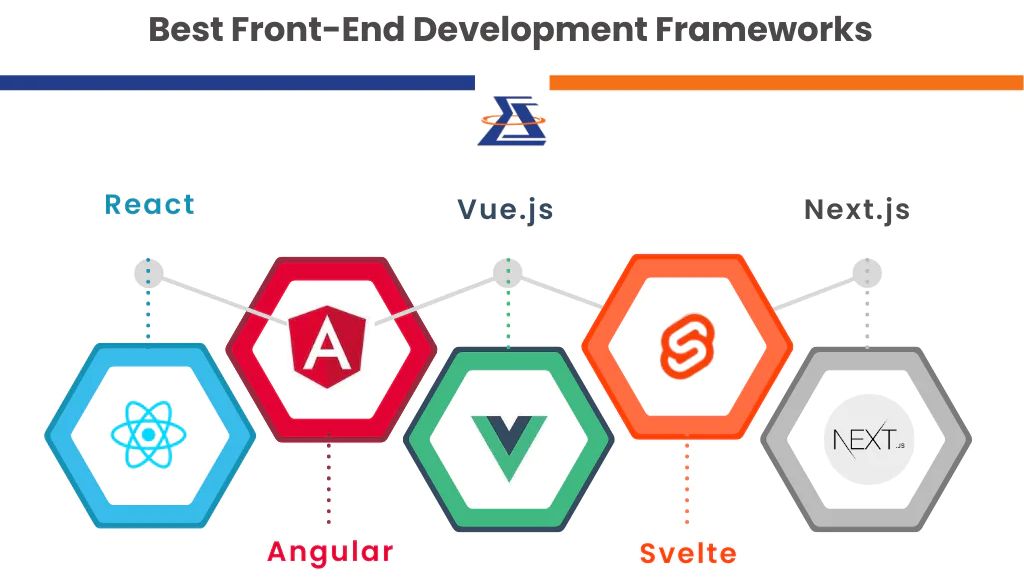
JavaScript and TypeScript will remain essential programming languages in 2026 because they power interactive web platforms, enterprise dashboards, cloud-connected applications, and modern front-end architectures. JavaScript is the backbone of user interface development, while TypeScript extends it with static typing and structured development, making large-scale applications more reliable and maintainable. These languages support frameworks like React, Angular, Vue, Next.js, and Svelte, which are widely used to build SaaS products, productivity tools, social platforms, streaming services, and hybrid desktop applications. With the rise of server-side rendering, micro-frontends, and distributed cloud-native UI systems, JavaScript and TypeScript will continue to evolve beyond the browser, reaching mobile apps, back-end environments, and real-time collaborative platforms.
Key Points - Why JavaScript & TypeScript Are Future-Critical
- Core foundation for modern front-end and full-stack applications
- Strong adoption in SaaS platforms, business dashboards & startups
- TypeScript improves scalability and reduces runtime errors
- Expanding role in cloud-based and server-driven applications
- Essential skill for UI/UX engineering and interactive web systems
Java & Kotlin - Essential for Enterprise Engineering, Secure Systems & Android Ecosystems
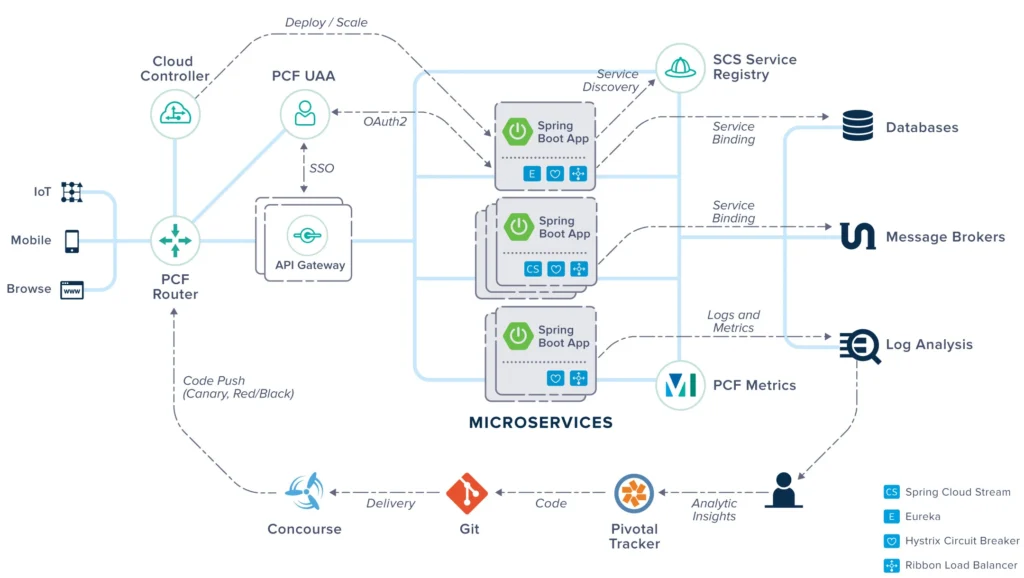
Java and Kotlin will remain indispensable programming languages in 2026 due to their widespread adoption in corporate systems, enterprise-level platforms, secure financial applications, and Android development. Java continues to be a trusted technology in mission-critical environments such as banking, telecommunications, logistics, and government infrastructures because of its security maturity, high scalability, and robust runtime performance. Kotlin, on the other hand, has evolved far beyond Android development it is now increasingly used for backend engineering, multiplatform applications, and microservices frameworks. Organizations prefer Kotlin for its concise syntax, interoperability with Java, and ability to reduce boilerplate code while delivering modern programming features.
Key Points - Why Java & Kotlin Remain Highly Valuable
- Strong demand in enterprise and high-security business systems
- Backbone of fintech, telecom, logistics & e-governance platforms
- Kotlin is the leading language for Android development
- Highly scalable backend and microservices architecture support
- Provides long-term job stability and mature technology ecosystem
Go (Golang) - Powering Cloud Infrastructure, DevOps & Distributed Computing
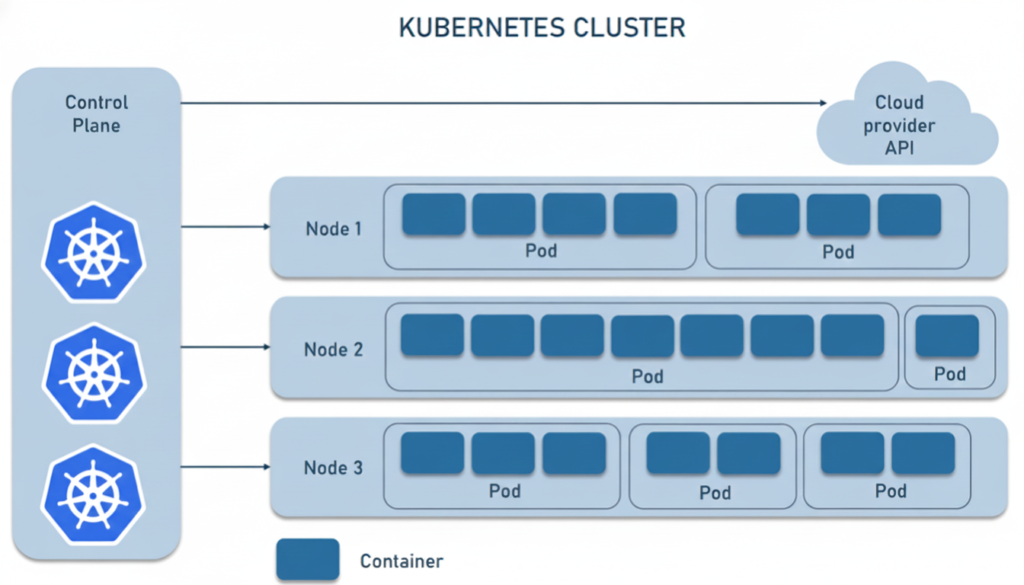
Go (Golang) will become even more significant by 2026 as companies expand their reliance on cloud-native systems, scalable backend platforms, and DevOps automation pipelines. Go is engineered for high-performance processing, concurrency, networking, and distributed computing, making it ideal for real-time APIs, streaming services, infrastructure management, and high-availability microservices. It powers critical technologies including Kubernetes, Docker, Prometheus, and container orchestration tools used worldwide in cloud data centers. Go applications are lightweight, fast, and highly efficient, which is why cloud service providers and large-scale enterprise platforms increasingly adopt it for backend operations, monitoring tools, and network-level computing workloads.
Key Points
- Designed for scalable, high-performance backend systems
- Core language for Kubernetes, Docker & cloud tooling
- Ideal for DevOps engineering and infrastructure automation
- Excellent concurrency and resource efficiency
- Rapidly increasing adoption in global tech environments
Rust - Securing the Future of System Programming & Cyber-Resilient Software
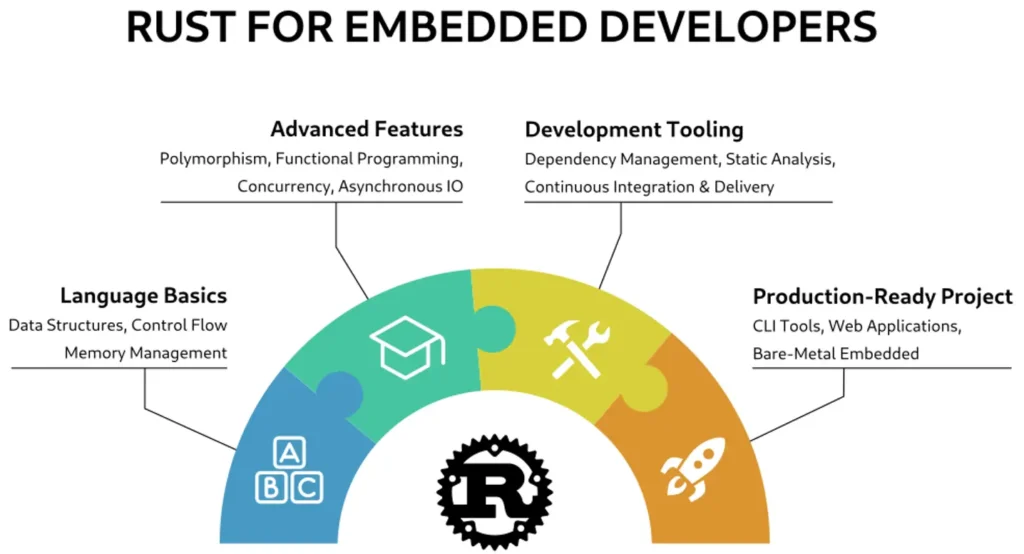
Rust is emerging as one of the fastest-growing programming languages heading into 2026 because it focuses on safety, reliability, and high-performance execution. It prevents memory leaks, buffer overflows, and low-level vulnerabilities — issues that often cause system crashes and security breaches. This makes Rust a preferred language for secure networking, embedded systems, high-performance game engines, blockchain development, and cryptographic applications. Rust combines the execution speed of C/C++ with strong safety guarantees, enabling developers to build powerful software systems without sacrificing stability.
Key Points - Why Rust Will Shape Secure Computing
- Memory-safe & highly secure system-level programming language
- Ideal for cybersecurity tools, blockchain & cryptographic systems
- Delivers high performance with safe execution control
- Increasing enterprise and research-level adoption
- Strong relevance in embedded and edge-computing environments
Conclusion
The best programming languages to learn in 2026 are those that support intelligent automation, secure computing, scalable cloud platforms, and enterprise-grade engineering. Python remains essential for AI and automation, JavaScript and TypeScript power the global web ecosystem, Java and Kotlin continue to dominate enterprise and Android development, Go strengthens the backbone of cloud and DevOps infrastructure, and Rust leads the future of secure, high-performance system programming. Developers preparing for the future should aim to build a diversified skill set combining AI-oriented languages, backend engineering technologies, and secure system programming expertise to stay competitive in the rapidly evolving global technology landscape.