Cloud Computing for Developers
Introduction
Cloud computing has transformed the software development industry from a system centered around physical servers and local deployment environments into a globally distributed, scalable, and on-demand digital infrastructure. For developers, cloud platforms are no longer just an optional upgrade — they are now the backbone of application delivery, storage, networking, data processing, and modern DevOps workflows. Instead of manually configuring hardware, maintaining physical servers, or worrying about infrastructure availability, developers can use cloud platforms to build, deploy, and scale applications faster, more securely, and with greater reliability.
In earlier decades, organizations needed dedicated data centers, networking teams, hardware engineers, and complex maintenance processes just to support a single application environment. This resulted in high costs, slow deployment cycles, and limited scalability. Cloud computing changed this paradigm entirely by introducing virtualization, resource pooling, automated provisioning, and elastic computing. Today, developers can deploy applications across multiple regions, integrate AI and analytics services, use managed databases, automate pipelines, and scale applications dynamically based on traffic all without interacting with physical infrastructure.
From startups to large enterprises, cloud computing empowers development teams to adopt microservices, containerization, CI/CD pipelines, serverless computing, and distributed architectures. It supports innovation, accelerates software delivery, enhances system reliability, and unlocks global application accessibility. Understanding cloud computing is now an essential skill for every developer because it directly influences performance, scalability, cost optimization, and engineering productivity.
Understanding Cloud Computing
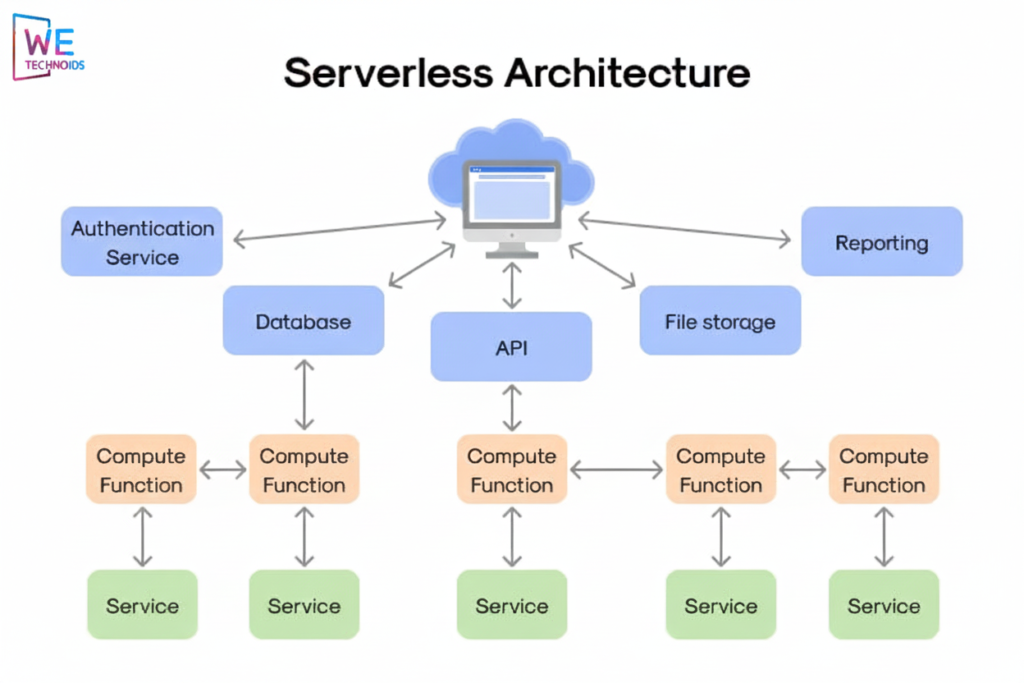
Cloud computing allows applications and resources to be delivered over the internet instead of being hosted on local systems or physical servers. From a developer’s perspective, the cloud provides a flexible environment where compute power, storage, networking, and services can be provisioned on demand. Instead of deploying to a fixed machine, applications run across distributed infrastructure that can automatically scale, self-heal, and load-balance workloads in real time.Cloud platforms such as AWS, Microsoft Azure, and Google Cloud Platform (GCP) offer services ranging from databases and virtual machines to AI APIs, container orchestration, messaging queues, monitoring tools, and serverless environments. These services abstract away low-level infrastructure complexity so developers can focus more on product features, application logic, and user experience rather than system maintenance and hardware management.
Cloud computing is built around essential principles such as elasticity, scalability, high availability, resource pooling, redundancy, automated recovery, and pay-as-you-go pricing. These capabilities enable developers to build applications that support millions of users, process vast amounts of data, and remain operational even when failures occur something that was extremely difficult in traditional on-premises environments.
Cloud Service Models -IaaS, PaaS, SaaS
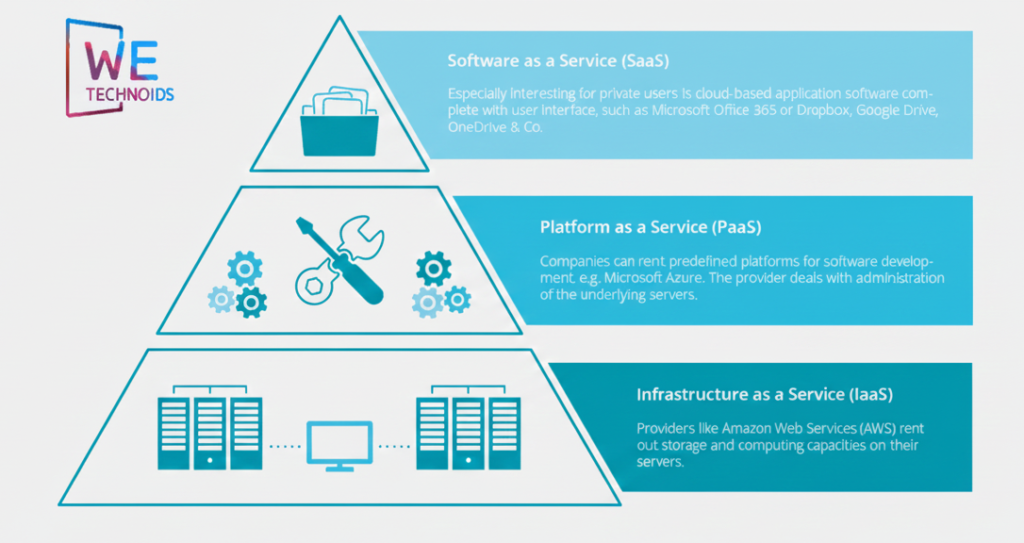
Infrastructure as a Service (IaaS)
Infrastructure as a Service provides virtualized computing resources such as virtual machines, storage, and networking. Developers still manage operating systems, runtimes, and application deployment, but no longer maintain physical servers.IaaS is useful for organizations migrating legacy applications, running custom environments, or managing high-control workloads such as security-sensitive systems. It replicates traditional infrastructure but offers much higher scalability and automation.
Developer Advantage: full control over environment + hardware abstraction
Platform as a Service (PaaS)
Platform as a Service allows developers to deploy applications without managing OS configurations, environments, or runtime installation. The platform handles scaling, updates, and system monitoring automatically.PaaS platforms support backend services, APIs, development frameworks, CI/CD integration, and event-driven functions, allowing developers to focus purely on application code and business logic.Developer Advantage: faster development + automated environment management
Software as a Service (SaaS)
Software as a Service delivers complete applications over the internet. Developers often integrate SaaS tools rather than build them from scratch examples include CRM platforms, analytics dashboards, authentication services, and productivity tools.Instead of creating standalone local software, SaaS enables applications to run continuously, update automatically, and scale globally without installation.Developer Advantage: reduces development time + enables service integration
Key Cloud Computing Components Developers Work With
Cloud computing introduces a wide range of services and technologies that developers use in real-world applications:Long-form explanation components include:
• Virtual machines & compute instances
• Managed databases & distributed storage
• Containerization (Docker & Kubernetes)
• Serverless computing & event triggers
• Networking, load balancing & routing
• Monitoring, logging & observability
• Security, IAM & identity management
• Storage buckets, object & block storage
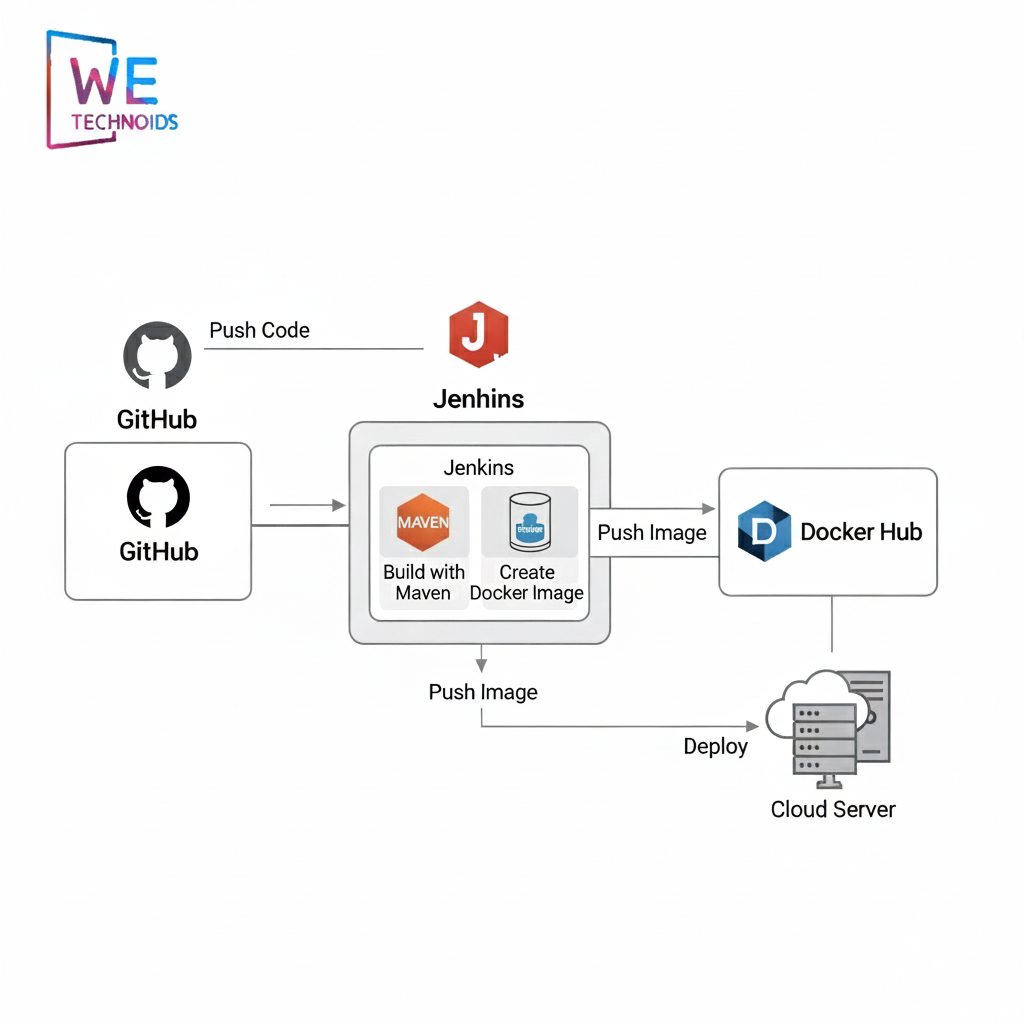
• CI/CD pipelines & deployment automation
Each of these components plays a role in how modern cloud-native systems are designed, deployed, and maintained.
How Cloud Computing Changes the Developer Workflow
Cloud computing has reshaped software development processes from local build-deploy cycles to continuous delivery pipelines and automated infrastructure provisioning. Developers now work within collaborative, distributed environments where updates are deployed frequently instead of released in large batch cycles.Cloud-native development introduces practices such as:
• Continuous Integration & Continuous Deployment
• Microservices architecture
• Version-controlled infrastructure
• Container orchestration
• Horizontal scaling strategies
• Cloud monitoring & logging
Instead of deploying on single servers, applications are designed as distributed systems with redundancy and failover capability. This makes applications more resilient, modular, and fault tolerant.The cloud also enables collaborative teamwork developers, DevOps engineers, testers, and security teams work within unified environments using shared tools, pipelines, and automated workflows.
Advantages of Cloud Computing for Developers
Cloud computing provides developers with long-term advantages that improve product delivery, innovation capability, and system reliability:
• Faster deployment cycles and reduced setup time
• Global scalability with minimal configuration
• Reduced infrastructure maintenance burden
• Cost-efficient resource usage
• Improved reliability through redundancy
• Easier testing environments and sandboxing
• Continuous integration & automated deployment
• Access to AI, analytics, databases, and ML tools
• Better performance optimization and monitoring
Cloud platforms empower developers to experiment, iterate, and innovate more rapidly while keeping operational overhead low.
Real-World Use Cases - Where Developers Benefit Most
Cloud computing has become the foundation of modern software development because it allows applications to scale globally, remain highly available, and operate efficiently without the limitations of traditional on-premises infrastructure. In web and mobile application development, cloud platforms enable developers to deploy applications across multiple geographic regions, ensuring faster response times and consistent performance for global users. Instead of maintaining physical servers, development teams can use cloud load balancers, CDN networks, and auto-scaling services to handle unpredictable traffic spikes, product launches, or seasonal user surges which is especially important for startups and SaaS-based products.
SaaS platforms and enterprise ecosystems rely heavily on cloud services because they require continuous uptime, multi-tenant architecture, secure authentication, database replication, and regular feature deployment. The cloud supports subscription-based software models, allowing organizations to roll out updates frequently, integrate APIs at scale, and manage millions of user accounts without manual infrastructure expansion. In big data processing and analytics, the cloud enables developers to handle massive datasets that would otherwise be impossible to process on local machines. Services such as distributed databases, data pipelines, and managed analytics engines allow companies to analyze trends, user behavior, and operational data in real time.
Artificial intelligence, machine learning, and deep learning workloads are another major domain where developers benefit from the cloud. Training ML models, running inference pipelines, and deploying AI services require significant GPU and compute resources something local environments cannot support reliably. Cloud-based ML platforms provide scalable GPU clusters, model deployment tools, and automated retraining pipelines, making AI development accessible even to smaller teams.
The Internet of Things (IoT) ecosystem depends on the cloud to connect thousands of devices, collect telemetry data, and process information at scale. Cloud services power smart cities, industrial automation, logistics tracking, and consumer IoT platforms by offering secure messaging queues, device authentication, and event processing pipelines. Real-time systems such as streaming platforms, financial transaction engines, monitoring dashboards, and live communication tools rely on cloud-based event streaming and distributed microservices to maintain low-latency performance.
E-commerce applications benefit from the cloud’s ability to support high user traffic, secure payment processing, inventory synchronization, and personalized recommendation systems. Gaming platforms and multiplayer environments also take advantage of the cloud to run game servers across regions, store user progress, and handle matchmaking and real-time synchronization.Across all of these domains, cloud computing enables developers to build applications that are scalable, globally accessible, fault tolerant, and performance-optimized, while reducing infrastructure complexity and speeding up development cycles.
Challenges Developers Face in Cloud Computing
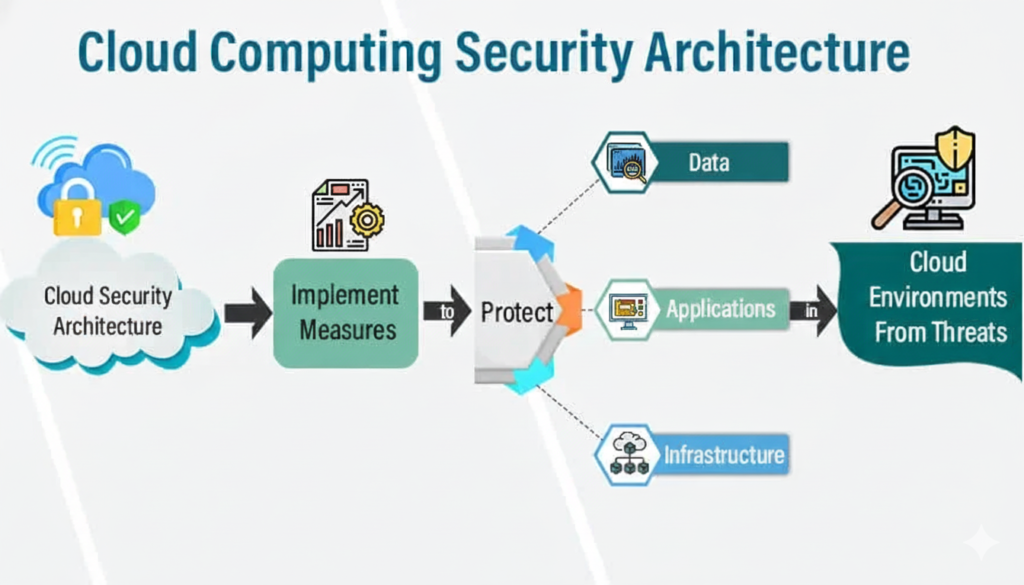
Although cloud computing provides immense benefits, it also introduces a new set of engineering challenges that developers must understand carefully. One of the most significant challenges is cost management. Cloud services operate on a consumption-based pricing model, meaning poorly optimized code, unused compute instances, excessive logging, or misconfigured auto-scaling can lead to unexpectedly high bills. Developers must learn cost-aware architecture, monitoring strategies, and resource lifecycle management to prevent financial waste.Security and access control are also more complex in cloud environments than in traditional systems. Developers must manage IAM roles, service accounts, encryption policies, network access, and compliance frameworks to ensure sensitive data remains protected. A single misconfiguration can expose resources publicly, leading to vulnerabilities or data breaches. Therefore, understanding cloud security best practices is a critical responsibility.
Vendor lock-in presents another challenge, as applications heavily dependent on proprietary cloud services may become difficult to migrate to another provider in the future. Developers must balance convenience with portability by using standardized APIs, containerization, or multi-cloud strategies when appropriate.Debugging and troubleshooting distributed systems can be significantly more complex than debugging a single local server. Logs, traces, microservices, queues, and asynchronous events require strong observability tools and structured debugging workflows. Network latency and region-based performance variations also impact application behavior, requiring developers to design resilient, fault-tolerant architectures.
Finally, the learning curve can be overwhelming, especially for new developers transitioning from local environments to cloud-native ecosystems. Mastering CI/CD pipelines, infrastructure-as-code, Kubernetes, serverless functions, and distributed design patterns requires time, practice, and hands-on experience. Cloud computing is powerful but success depends on engineering discipline, good architectural decisions, and continuous learning.
The Future of Cloud Computing for Developers
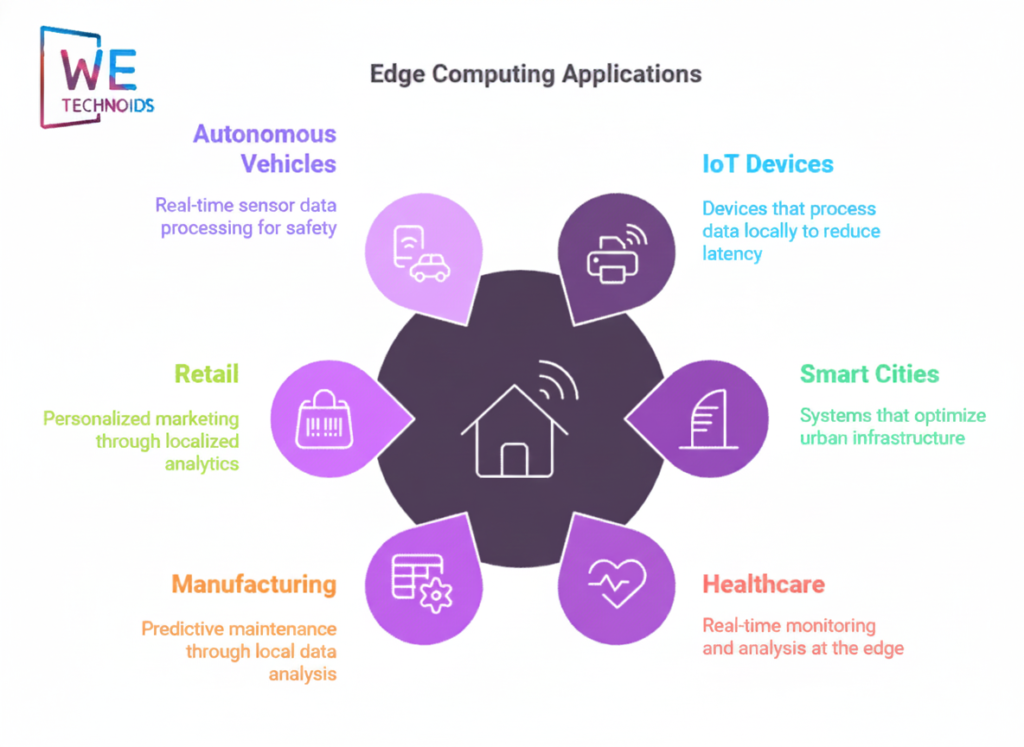
The future of cloud computing is evolving toward even more distributed, automated, and intelligent systems, reshaping how developers design and deploy software. Edge computing is becoming increasingly important as applications require real-time processing closer to users and devices, reducing latency for technologies such as autonomous systems, AR/VR, autonomous vehicles, and industrial IoT networks. Instead of processing everything in centralized data centers, workloads are now distributed across regional edge nodes, improving responsiveness and reliability.Serverless computing continues to grow as one of the most transformative development models. Developers can deploy event-driven functions without managing servers, allowing applications to scale instantly based on demand while maintaining cost efficiency. This approach supports microservices, automation workflows, and lightweight API-driven architectures, making development faster and more modular.
AI-driven infrastructure automation is also shaping the future cloud landscape. Intelligent monitoring systems can predict failures, optimize resource allocation, auto-tune performance, and provide proactive security alerts reducing manual administration effort. Low-code and API-centric development platforms are emerging to help teams build applications more rapidly, while still integrating deeply with cloud services.DevOps and platform engineering practices are evolving as well shifting development workflows toward self-service environments where developers can provision resources, deploy services, and manage environments using automated pipelines rather than manual configuration.
In the coming years, the cloud will continue to move toward greater scalability, smarter automation, distributed computing, and application-centric design. Developers who build strong foundations in cloud-native architecture, containerization, security, cost optimization, and scalability principles will be better equipped to design robust systems, adapt to emerging technologies, and succeed in large-scale software environments.
Conclusion
Cloud computing has become an essential foundation of modern software development. It enables developers to create scalable, secure, globally available applications while minimizing infrastructure complexity and deployment risk. By leveraging managed services, automation pipelines, microservices, serverless computing, and distributed architectures, developers can focus on innovation instead of system maintenance.
Whether building enterprise software, SaaS products, mobile applications, AI systems, or large-scale APIs cloud computing provides the tools, flexibility, and scalability required for long-term success in the evolving digital landscape.