The Evolution of AI Models After GPT & Gemini
Introduction
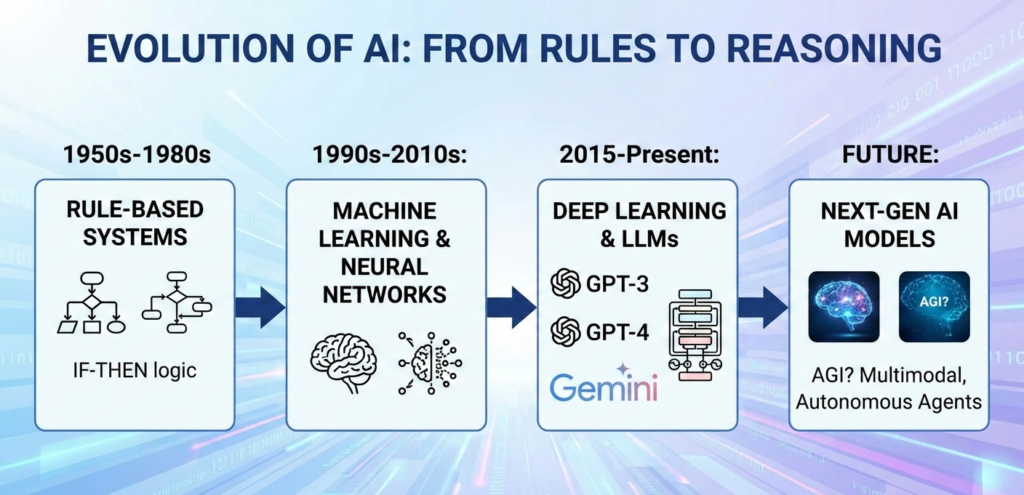
The development of large-scale artificial intelligence models has transformed how humans interact with machines. Models like GPT and Gemini marked a significant milestone by demonstrating advanced natural language understanding, reasoning, and multimodal capabilities. These models moved AI beyond rule-based systems and narrow task execution, enabling conversational intelligence, content generation, and problem-solving at an unprecedented scale. However, GPT and Gemini are not the final destination of AI evolution. They represent a powerful foundation upon which future AI systems are being built.
As AI adoption accelerates across industries, limitations such as high computational cost, lack of long-term reasoning, limited autonomy, and dependency on centralized infrastructure are becoming more visible. Researchers and engineers are now focused on developing post-GPT and post-Gemini AI models that are more efficient, autonomous, adaptable, and aligned with human values. This article explores how AI models are evolving after GPT and Gemini, highlighting architectural changes, emerging capabilities, differences, real-world applications, and the future trajectory of artificial intelligence.
Understanding GPT and Gemini: The Foundation Models
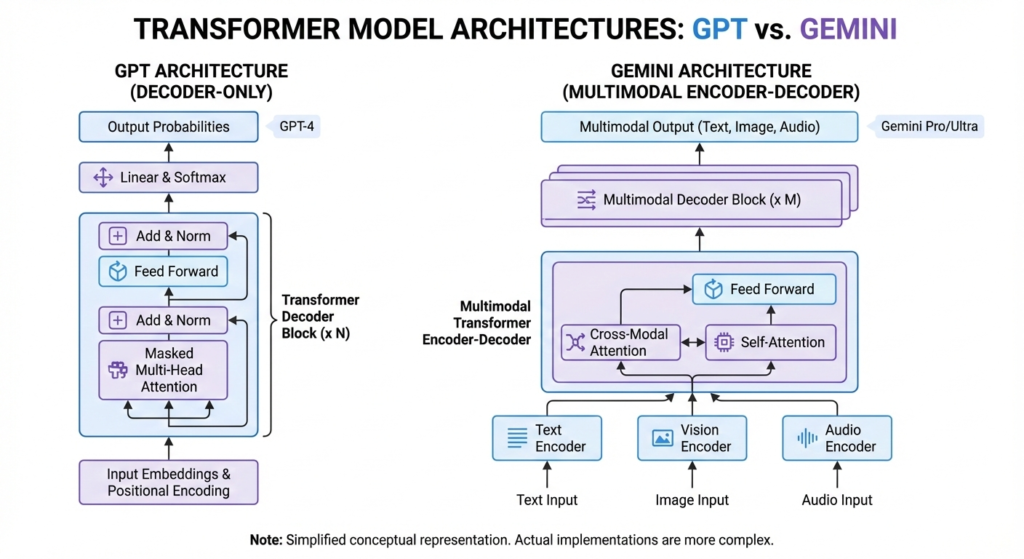
GPT and Gemini belong to a class of large foundation models trained on massive datasets using transformer architectures. These models excel at language generation, reasoning, summarization, translation, and multimodal understanding. GPT primarily focuses on language and reasoning, while Gemini extends these capabilities across text, images, audio, and code in a deeply integrated manner. Both models rely on large-scale pretraining followed by fine-tuning and reinforcement learning.
Despite their strengths, these models remain largely reactive. They respond to prompts but do not independently pursue goals or adapt behavior over long periods. Their reasoning is often short-term, and they require significant computational resources. Understanding these limitations is essential for appreciating how next-generation AI models are evolving beyond GPT and Gemini.
Key Characteristics of GPT & Gemini:
- Transformer-based architecture
- Large-scale centralized training
- Prompt-driven interaction
- Strong multimodal capabilities
- High computational cost
Post-GPT AI Models: From Static Intelligence to Adaptive Systems
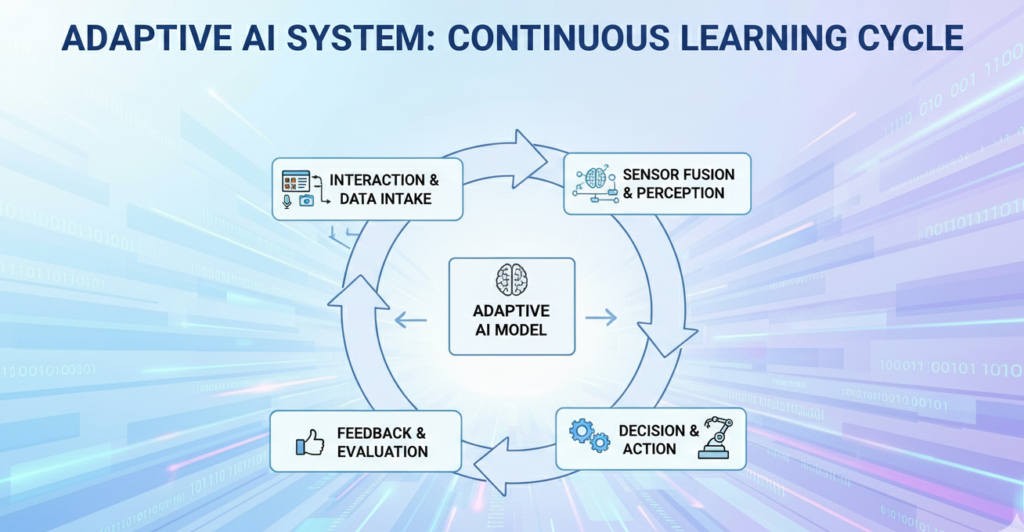
The next generation of AI models is shifting from static, prompt-based systems to adaptive and goal-oriented intelligence. Post-GPT AI systems are designed to operate continuously, learn from interactions, and adjust behavior over time. Instead of responding to isolated prompts, these models maintain context, memory, and objectives across sessions.
Adaptive AI systems can personalize responses, improve accuracy through feedback loops, and evolve their behavior without full retraining. This marks a fundamental shift in AI design, where intelligence becomes dynamic rather than fixed. These systems are more suitable for real-world environments that require ongoing decision-making and long-term planning.
Key Advancements:
- Long-term memory integration
- Continuous learning mechanisms
- Context persistence across tasks
- Adaptive reasoning and behavior
Evolution Toward Autonomous AI Agents
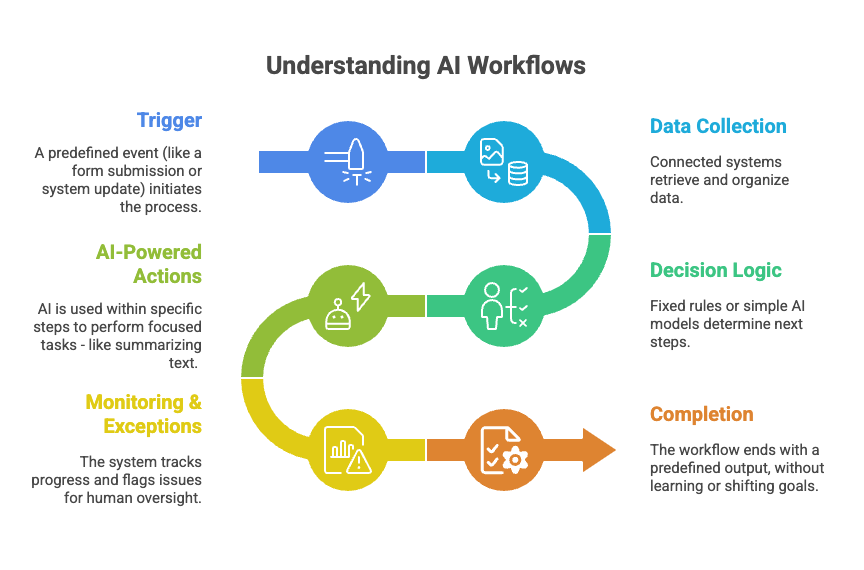
One of the most important changes after GPT and Gemini is the rise of autonomous AI agents. Unlike traditional models, AI agents are capable of setting goals, planning actions, using tools, and executing tasks without constant human input. These agents build upon large language models but add layers for reasoning, planning, memory, and tool execution.
Autonomous AI agents can browse the web, write and deploy code, manage workflows, and collaborate with other agents. This evolution transforms AI from an assistant into a digital worker. In practical terms, AI agents can manage customer support systems, automate software development pipelines, and handle complex business operations.
Key Differences: GPT vs AI Agents
| Feature | GPT / Gemini | Autonomous AI Agents |
|---|---|---|
| Interaction | Prompt-based | Goal-driven |
| Memory | Short-term | Long-term |
| Action | Text output | Tool execution |
| Autonomy | Limited | High |
| Adaptability | Static | Dynamic |
Multimodal Intelligence Beyond Current Models
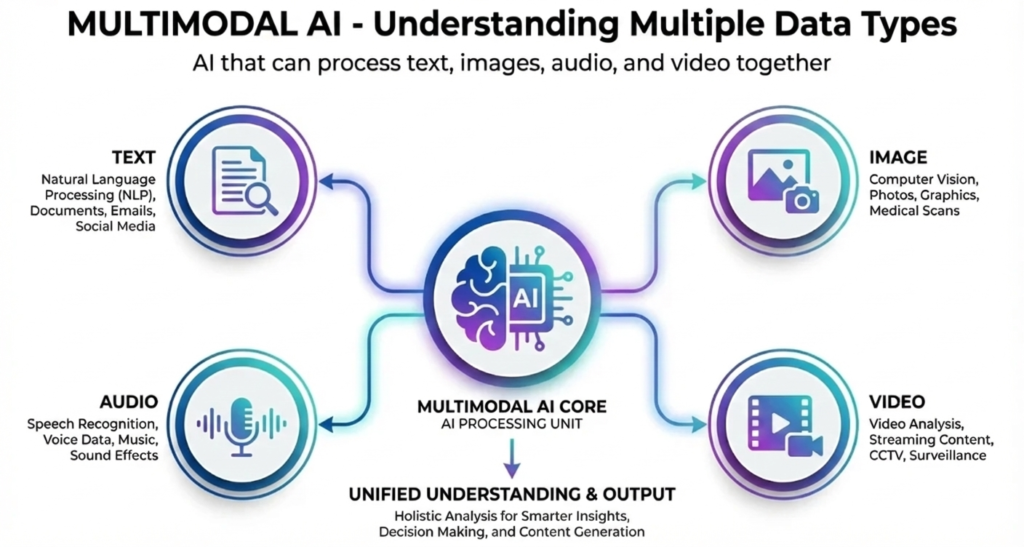
While GPT and Gemini introduced multimodal understanding, future AI models will deeply fuse multiple data types into a unified reasoning system. Post-Gemini models will seamlessly process text, images, video, audio, sensor data, and real-time streams simultaneously. This enables richer understanding and more accurate decision-making.
For example, future AI systems could analyze video footage, understand spoken instructions, reference written documentation, and execute physical or digital actions in real time. This level of multimodal intelligence will be essential for robotics, autonomous vehicles, healthcare diagnostics, and immersive virtual environments.
Key Capabilities:
- Unified multimodal reasoning
- Real-time data processing
- Cross-modal learning and inference
- Improved situational awareness
Decentralized and Efficient AI Architectures
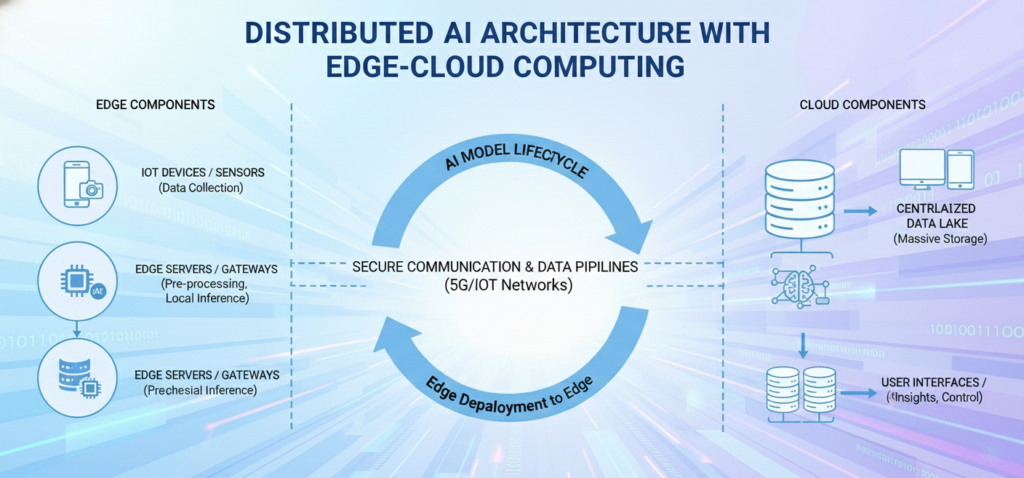
Another major evolution after GPT and Gemini is the shift toward decentralized and efficient AI architectures. Large centralized models are expensive and resource-intensive. Future AI systems will use smaller, specialized models working together, often deployed at the edge or on local devices.
Techniques such as model distillation, modular AI, and federated learning reduce computational requirements while maintaining performance. This approach improves privacy, reduces latency, and lowers costs. Decentralized AI enables intelligent systems to operate in environments with limited connectivity.
Key Innovations:
- Model compression and distillation
- Edge AI deployment
- Federated learning
- Modular AI systems
Improved Reasoning and Planning Capabilities
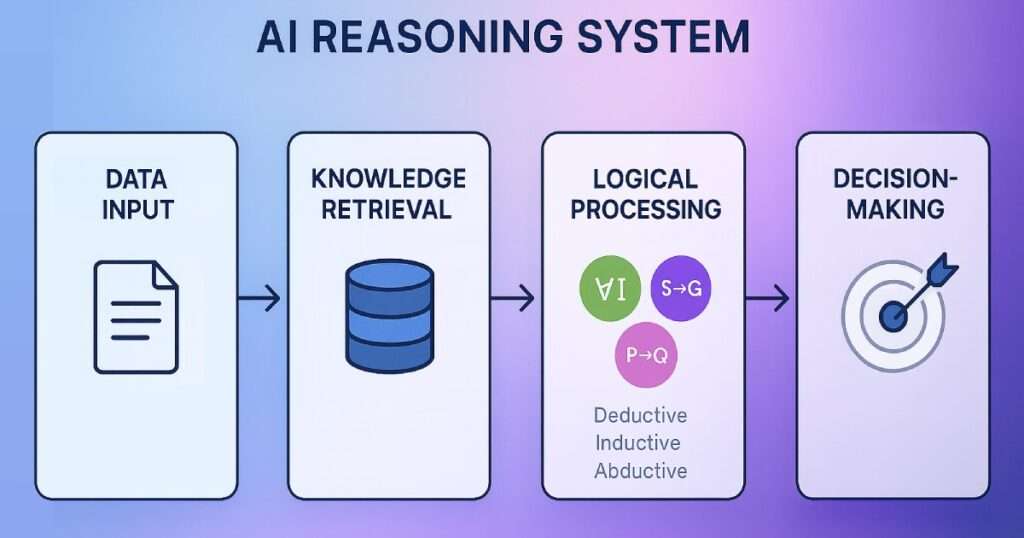
Post-GPT AI models are being designed with enhanced reasoning and planning abilities. Instead of generating plausible text, these models explicitly reason through problems using structured thinking and logic frameworks. Advanced planning modules allow AI to evaluate multiple strategies before acting.
This improvement enables AI systems to solve complex, multi-step problems more reliably. Applications include scientific research, legal analysis, software engineering, and strategic decision-making. These models move closer to human-like problem-solving.
Example:
A post-GPT AI system can analyze a software bug, identify dependencies, test multiple fixes, and deploy a solution autonomously.
Alignment, Safety, and Ethical AI Evolution
As AI becomes more autonomous, alignment and safety are critical priorities. Post-GPT AI models incorporate advanced alignment techniques to ensure behavior remains consistent with human values. These include reinforcement learning with human feedback, rule-based constraints, and real-time monitoring systems.
Ethical AI design focuses on transparency, fairness, and accountability. Future AI models will include explainability features that allow users to understand decisions and actions. This builds trust and ensures responsible deployment.
Key Focus Areas:
- AI alignment and control
- Explainable AI systems
- Bias reduction
- Human oversight mechanisms
Real-World Applications of Post-GPT AI Models
The evolution of AI models after GPT and Gemini is already impacting real-world applications. Autonomous agents are used in software development, data analysis, cybersecurity, healthcare, finance, and creative industries. These systems operate continuously, improving efficiency and reducing human workload.
For example, AI agents can manage cloud infrastructure, analyze medical records, optimize financial portfolios, and generate complex creative content. This expansion demonstrates the growing role of AI as an operational intelligence layer across industries.
Future Outlook: Beyond Today’s AI Paradigms
The future of AI beyond GPT and Gemini points toward general-purpose, self-improving intelligence systems. These models will collaborate with humans, adapt across domains, and operate with greater autonomy and responsibility. While artificial general intelligence remains a long-term goal, incremental advancements are steadily closing the gap.
AI evolution will focus on efficiency, alignment, autonomy, and real-world integration. The next generation of AI models will not just generate content but actively participate in shaping digital and physical environments.
Conclusion
The evolution of AI models after GPT and Gemini marks a transition from powerful language models to adaptive, autonomous, and multimodal intelligence systems. Post-GPT AI models emphasize memory, reasoning, efficiency, and real-world action. These advancements are redefining how AI interacts with humans and operates within complex environments.
As technology continues to progress, future AI systems will become trusted collaborators, capable of solving meaningful problems at scale. Understanding this evolution is essential for developers, businesses, and researchers preparing for the next era of artificial intelligence.